
The central idea
Have you ever thought about becoming wealthy, only to decide that it sounds like an unrealistic dream? Many finance books answer that fear with cold numbers, dense charts, and fixed formulas. Morgan Housel takes a different approach: he asks readers to examine the habits, emotions, and personal experiences behind every financial decision.
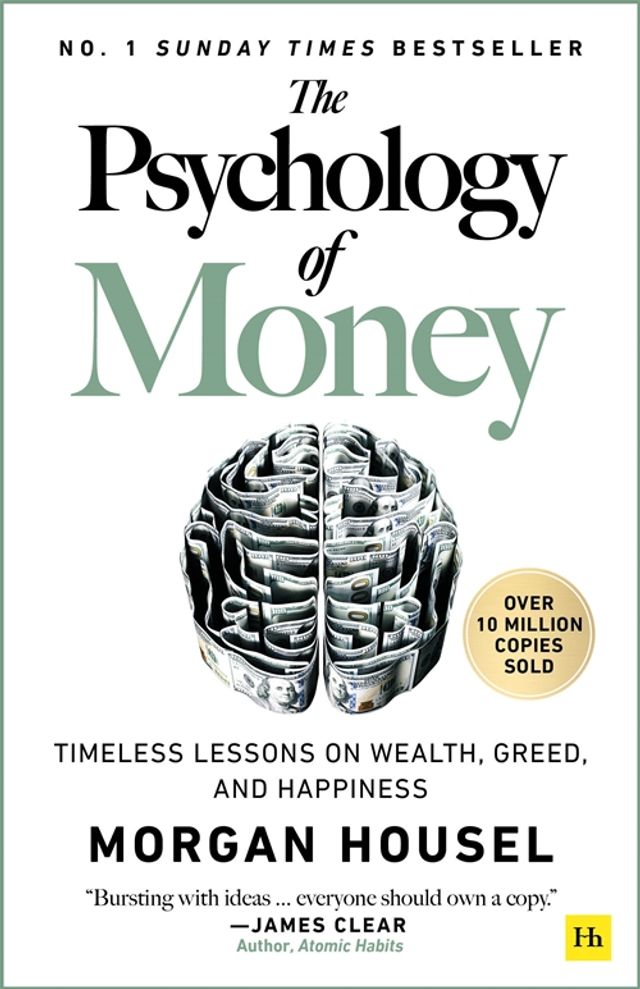
Published by Harriman House in 2020, The Psychology of Money: Timeless Lessons on Wealth, Greed, and Happiness uses nineteen short stories to explore luck, risk, saving, compound growth, and the difference between looking rich and being wealthy. I chose this book because it helped me reconsider my own financial habits. Its central lesson is simple but powerful: financial success depends not only on knowledge, but also on patience, behavior, and the ability to manage risk.
Why it works
Two lives make one unforgettable lesson.
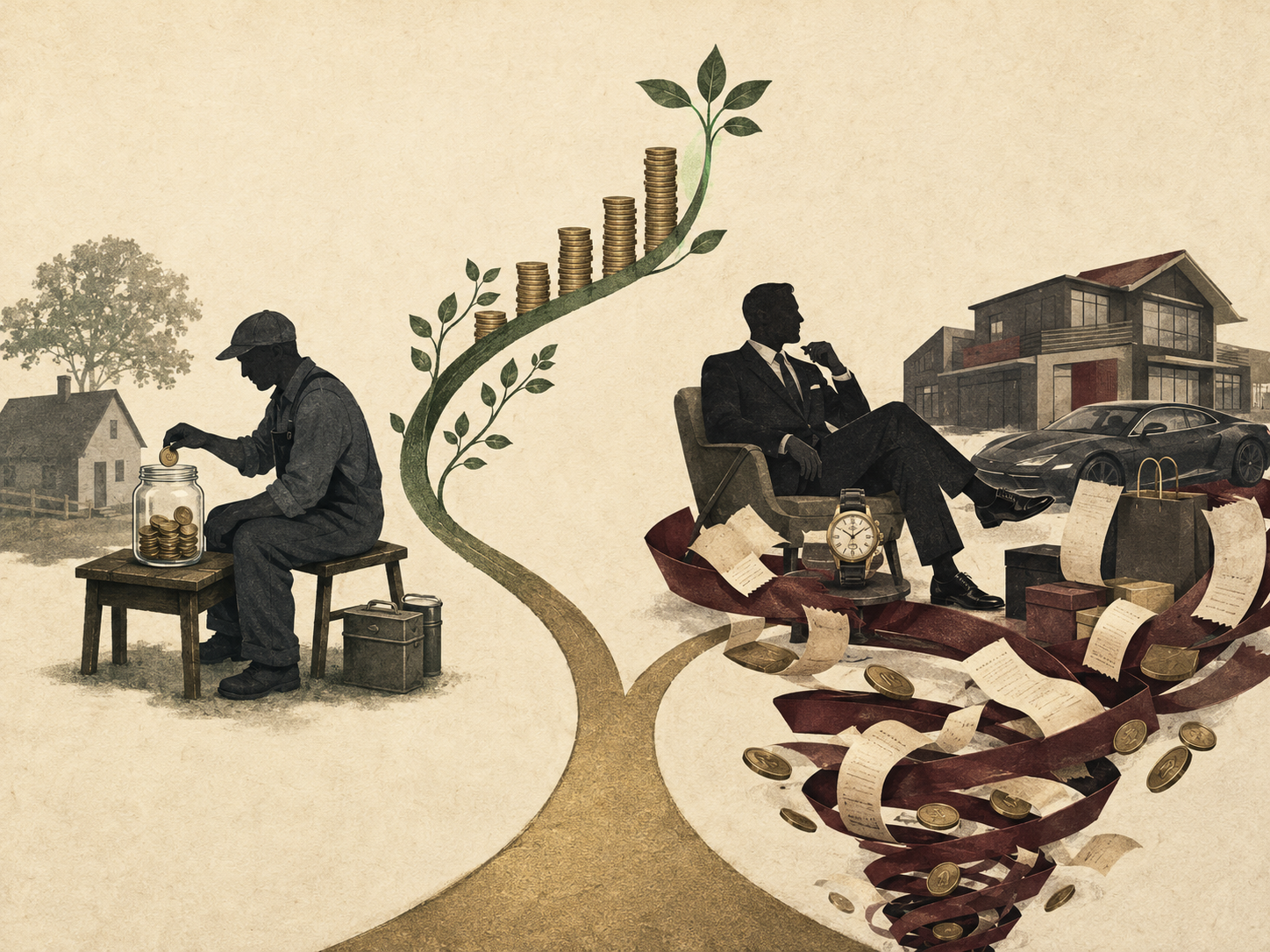
Housel compares Ronald Read, a gas-station attendant and janitor who quietly accumulated more than eight million dollars, with Richard Fuscone, a highly educated financial executive who borrowed heavily and later went bankrupt. Their opposite paths make compound growth and self-control feel concrete. The story stays in the reader’s mind because it shows that status and intelligence cannot replace patience.
01
Relatable stories
Investors, workers, and business owners turn abstract financial principles into recognizable human choices.
02
Short chapters
Each chapter focuses on one idea, making the book approachable for college students and beginning investors.
03
Behavior first
Fear, greed, ego, and patience receive as much attention as income, formulas, and market knowledge.
What wealth looks like
Looking rich is visible. Being wealthy is often invisible.
An expensive car can display spending, but savings remain hidden. Housel’s distinction changes wealth from a performance into freedom: saved money can buy time, choices, and protection from uncertainty. This was the book’s most useful idea for me because it makes financial success feel less like impressing other people and more like controlling my own future.

The limitation
A strong mindset is not a complete financial plan.
The book explains how people should think about money more clearly than it explains what they should do with it. A beginning investor may finish the book with better judgment but still not know how to choose an investment, retirement account, or savings strategy. This limitation is real, but it does not make Housel’s advice incorrect. His purpose is to explain behavior rather than write a technical manual.
Research supports both sides of this judgment. Sendhil Mullainathan and Richard Thaler describe behavioral economics as the connection between psychology and economics, reinforcing Housel’s focus on human choices. Annamaria Lusardi and Olivia Mitchell also show that financial knowledge influences saving, investing, and retirement planning. Together, these sources suggest that readers need both a healthy mindset and practical financial knowledge.
My verdict
The strengths outweigh the weakness.
I recommend The Psychology of Money to general readers, college students, and beginning investors who want a healthier relationship with money. It does not offer a shortcut to becoming rich. Instead, it provides something more lasting: a memorable foundation for making wiser decisions over a lifetime.